
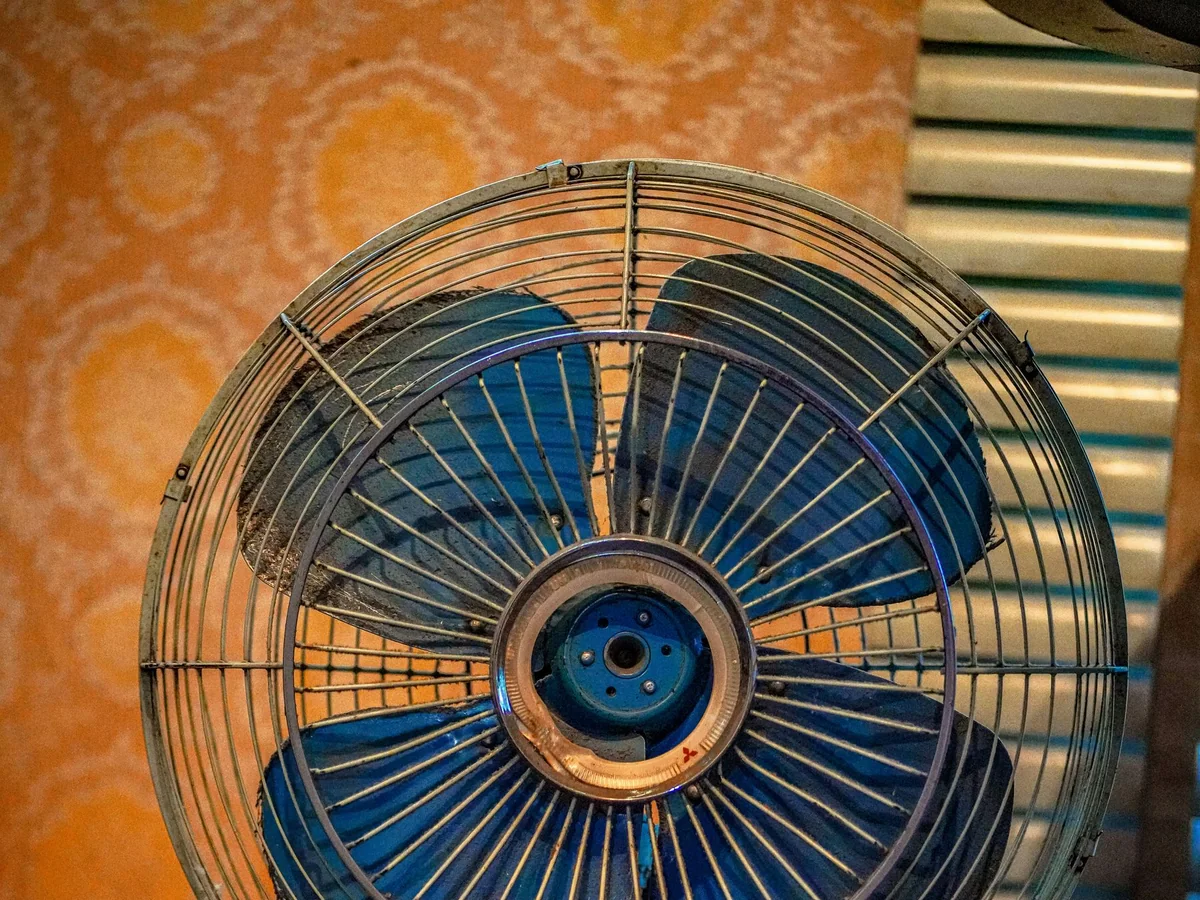
Choose a small fan for a bedside or desk area by comparing airflow, sound, oscillation, controls, and safe placement. This guide is written for sleepers and home-office users who need local airflow without a loud or bright appliance. The goal is simple: make find a compact fan that moves enough air at a sound level that supports sleep or focus easier to judge before you bring another item into the room.
Quiet Desk Fans for Summer Sleep: Quick answer
Look for multiple speed settings, a quiet low setting, a stable base, and a head that can aim across the bed or work surface. An oscillating fan distributes air more widely, while a focused fan may be enough for one person. Check whether the display dims, the beep can be disabled, and the cord reaches the outlet safely. Clean the grille and blades regularly.
Compare Airflow at Every Speed
A fan's highest setting may move a lot of air, but sleep and focused work often use the lowest or medium speed. Look for airflow data or reviews that describe the low setting specifically. A larger fan on low can sometimes be quieter and more effective than a small fan on high. Consider the size of the area it must cover. A fan that must be aimed directly at the body may be less comfortable than one that creates gentle circulation across the room.
Listen for the Type of Noise
Noise is not only volume. A fan may produce a low hum, a high-pitched whine, clicking from oscillation, or a beep when a button is pressed. If possible, listen to the model in person or read owner feedback about nighttime use. A dimmable display and silent controls matter in a bedroom. The sound should become neutral background rather than an intermittent disturbance. If the fan rattles, check that blades and grille are seated correctly.
Choose the Right Base and Head
A bedside fan should sit on a stable surface and aim across the bed without being knocked over. A clip fan saves space but needs a suitable edge and a secure clamp. A pedestal fan takes floor space but can reach higher. Consider oscillation if more than one person needs airflow, but oscillation can add noise. The head should hold its angle without drifting. If the fan has a remote, it must have a place so it does not disappear under the bed.

Plan Power and Safety
Keep cords away from walkways and do not run them under a mattress. Use the manufacturer's power adapter and check whether the fan can run from a USB outlet or battery. A rechargeable fan is useful during outages, but its output may decline over time. Keep the fan away from curtains, bedding, and water. Never insert objects into the grille while the fan is running. Follow all clearance and cleaning instructions.
Clean It for Better Airflow
Dust on blades and grilles reduces airflow and can make the motor work harder. Unplug the fan before cleaning, remove the grille if the manufacturer permits, and wipe or vacuum the blades carefully. Let all parts dry completely before reassembly. A soft brush can reach the motor housing without bending the blades. Clean the fan before storing it at the end of summer and check the cord for damage.
Pair Air Movement With Room Control
A fan does not lower room temperature; it helps air move across the skin. Use it with a thermostat, curtains, window shading, or a portable air conditioner as appropriate. In a shared bedroom, aim the fan at the warmer sleeper or use a low oscillation setting. If the room remains too hot, the fan may not be enough. Address the heat source and seek safe cooling options.
Compare the right category
Quiet Desk Fans for Summer Sleep: What we would shortlist
These are product categories to compare, not claims about a specific model. Check dimensions, material care, return terms, and the latest retailer information before ordering.
Start here
quiet oscillating desk fan
- Best for
- bedrooms with more than one sleeper
- Look for
- low-speed sound, stable base, oscillation quality, and dimmable controls
- Tradeoff
- oscillation mechanisms can develop clicks over time
Best for a tighter footprint
USB rechargeable fan
- Best for
- small desks and backup cooling
- Look for
- runtime, charging port, low-speed airflow, and a stable base
- Tradeoff
- battery performance declines over time
Worth comparing for value
clip-on bedside fan
- Best for
- nightstands with a secure edge
- Look for
- clamp range, grip pads, head adjustment, and cord length
- Tradeoff
- it can be dislodged if the clamp is not secure
Quiet Desk Fans for Summer Sleep: Questions to ask before you buy
Can I leave a fan running overnight?
Follow the manufacturer's instructions and place the fan where it cannot be pulled or knocked over. Keep it away from bedding, curtains, and water. A stable, clean fan with an undamaged cord is safer than one that is loose or dusty. If the motor becomes very hot or the fan makes a new grinding sound, unplug it and stop using it.
Is a tower fan quieter than a desk fan?
Not necessarily. Noise depends on motor design, blade shape, speed, and the specific model. A larger fan on a low setting may be quieter than a small fan on high. Compare sound ratings and owner feedback, then test the lowest setting that provides enough airflow for sleep.
How do I clean a fan without taking it apart?
Unplug it first. Use a vacuum brush attachment or a soft brush to remove dust through the grille, and wipe the outside with a dry or slightly damp cloth. If the grille is removable, wash it according to the manufacturer's instructions and let it dry fully. Never spray water into the motor housing.
A final practical check
Quiet Desk Fans for Summer Sleep: Before this purchase comes home
Recheck the exact dimensions in the room, the return window, and the cleaning method for the material you selected. Confirm that the new item supports find a compact fan that moves enough air at a sound level that supports sleep or focus for sleepers and home-office users who need local airflow without a loud or bright appliance, rather than solving only the photograph on the retailer page. Keep the packaging until the product has been used in its intended place, and save the order details in case a replacement part or measurement confirmation is needed later.
If two options still seem close, choose the one with the simpler care routine, clearer replacement parts, and a size that leaves a comfortable route through the room. A thoughtful purchase should make the everyday version of the room easier, not just the first day after delivery. Revisit this guide after living with the item for a week and adjust the layout, storage, or routine before buying another piece.
 Table Lamps for Dark Corners
 Portable Air Cleaners for Pet Owners
 Floor Mirrors That Add Light to Narrow Rooms