
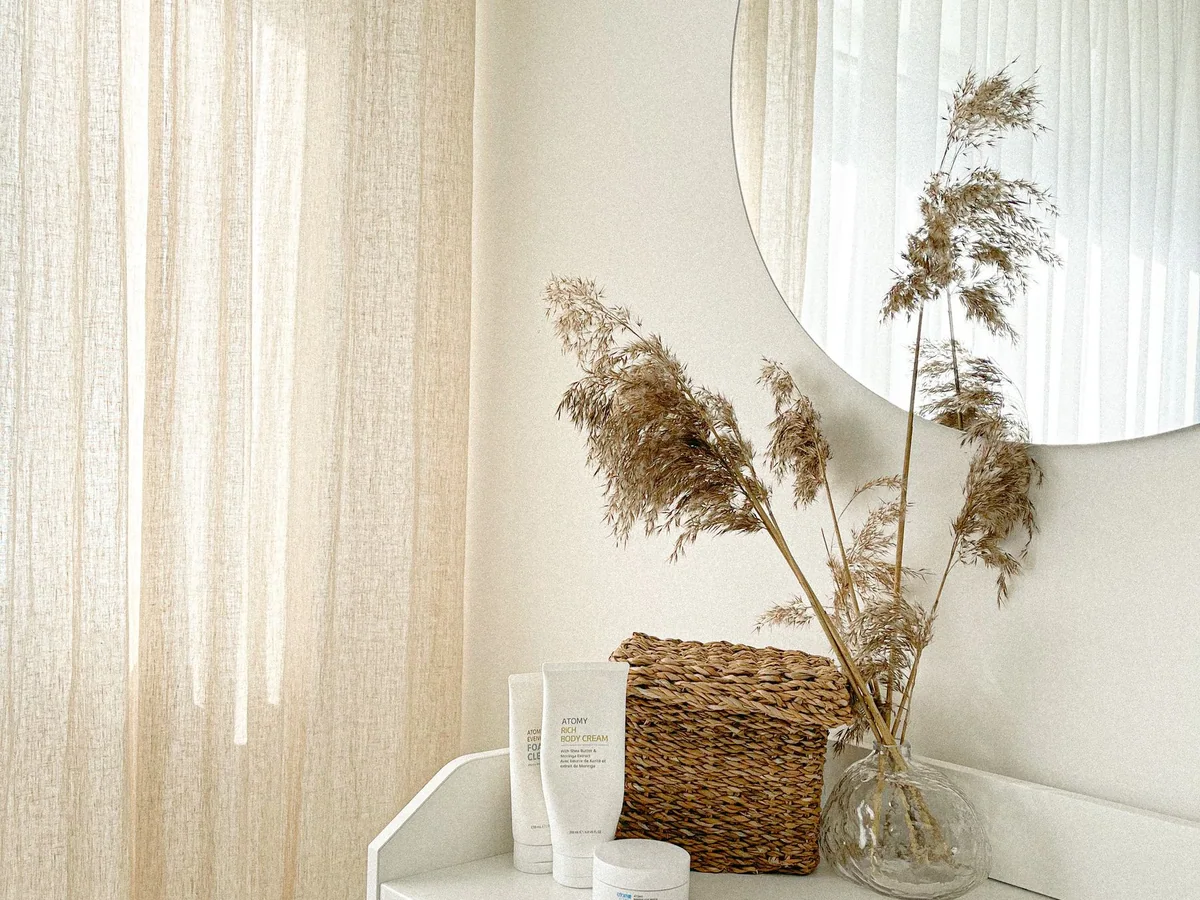
Use wood, linen, wool, stone, and woven materials to add depth to a builder-grade room without major renovation. This guide is written for renters and new homeowners decorating rooms with basic finishes and limited architectural detail. The goal is simple: make add warmth and depth with portable materials rather than construction easier to judge before you bring another item into the room.
Natural Textures That Make Builder-Grade Rooms Feel Finished: Quick answer
Choose textures that appear in at least two places so the room feels connected. Mix one rough material with one smooth material, such as a woven rug with a ceramic lamp or a linen curtain with a polished metal frame. Keep the color palette narrow and let texture carry the interest. Add plants or stone only when they suit the light and maintenance routine.
Identify the Missing Layer
Builder-grade rooms often have smooth walls, painted trim, and uniform flooring. The room may need texture more than more color. Look at the dominant surfaces and choose a contrasting material: a woven rug for a smooth floor, a linen curtain for a plain window, or a wood tray on a glass table. Do not buy one of every natural material. Two or three repeats are enough to create rhythm. Take a photo in daylight and note which surface feels least interesting.
Mix Rough and Smooth
Texture becomes more noticeable when materials contrast. A rough jute rug can ground a polished coffee table; a smooth ceramic vase can stand out against a chunky knit throw. If every surface is woven or matte, the room can feel heavy. If everything is glossy, it can feel cold. Alternate the finish across height as well as across the room, placing rough materials low and smooth materials at eye level where appropriate.
Use Color to Connect Materials
Natural does not mean beige only. Choose a narrow palette that lets grain, weave, and sheen show clearly. Warm cream, tobacco brown, charcoal, olive, and clay can all work with wood and stone. Repeat one color at multiple scales: a cream lamp, curtain, and pillow do not need to match exactly, but they should share warmth. Avoid introducing a bright accent unless it connects to art or a meaningful object.

Choose Real or Well-Made Imitations
Real wood, wool, linen, and stone have depth that is difficult to imitate, but they also require care. Performance fabrics may be the better choice for a high-use sofa. A printed wood-grain laminate can work in a rental or damp area when it is well made. Decide based on the room and the user. Natural does not have to mean fragile. A durable cotton weave can add texture without the shedding of a natural fiber.
Layer Light and Shadow
Texture is visible only when light reveals it. Place a lamp near a woven wall hanging or a textured curtain, and use lamps with a soft, diffused glow. Avoid flattening every surface with one bright ceiling light. If the room has strong afternoon sun, choose materials that tolerate fading. A woven lampshade can cast a pattern, while a smooth ceramic lamp reflects light. The combination creates depth without adding more objects.
Edit After Living With It
After a week, remove any texture that feels irritating or difficult to maintain. If the room feels busy, reduce the number of materials rather than changing the color. If it feels flat, add one larger woven element instead of several small ones. Natural materials should make the room easier to touch and use, not simply meet a decorating checklist.
Compare the right category
Natural Textures That Make Builder-Grade Rooms Feel Finished: What we would shortlist
These are product categories to compare, not claims about a specific model. Check dimensions, material care, return terms, and the latest retailer information before ordering.
Start here
washed linen curtain
- Best for
- adding softness to plain windows
- Look for
- proper fullness, colorfast fabric, care instructions, and a rod type that fits the wall
- Tradeoff
- linen wrinkles and may need steaming
Best for a tighter footprint
woven jute rug with cotton border
- Best for
- grounding a neutral living room
- Look for
- a flat weave, soft edge, low shedding, and a pad for comfort
- Tradeoff
- rough jute can feel scratchy underfoot
Worth comparing for value
solid wood tray
- Best for
- small-scale material contrast
- Look for
- food-safe finish, stable handles, easy cleaning, and a size that suits the table
- Tradeoff
- wood needs protection from standing water
Natural Textures That Make Builder-Grade Rooms Feel Finished: Questions to ask before you buy
How many natural textures should one room have?
Two or three repeated materials are often enough. A wood tone, a woven textile, and a smooth ceramic or stone can create depth without clutter. Repeat each material at least twice in the room, but vary the scale and function. Stop adding when the surfaces begin to compete with the people and objects in the room.
Can builder-grade finishes look warm without renovation?
Yes. Rugs, curtains, lamps, art, and furniture can add warmth and character. The key is to use materials that interact with the light and to repeat a few finishes. You do not need to replace flooring or trim to make the room feel considered. Start with the largest horizontal surface and the window.
Are natural fiber rugs hard to clean?
Natural fibers vary. Jute, sisal, and seagrass can shed, absorb moisture, or be difficult to spot-clean. A woven cotton or wool rug may be easier in some households. Check the care instructions and use a pad. In a damp room or a home with pets, a performance fiber may be the more practical texture.
A final practical check
Natural Textures That Make Builder-Grade Rooms Feel Finished: Before this purchase comes home
Recheck the exact dimensions in the room, the return window, and the cleaning method for the material you selected. Confirm that the new item supports add warmth and depth with portable materials rather than construction for renters and new homeowners decorating rooms with basic finishes and limited architectural detail, rather than solving only the photograph on the retailer page. Keep the packaging until the product has been used in its intended place, and save the order details in case a replacement part or measurement confirmation is needed later.
If two options still seem close, choose the one with the simpler care routine, clearer replacement parts, and a size that leaves a comfortable route through the room. A thoughtful purchase should make the everyday version of the room easier, not just the first day after delivery. Revisit this guide after living with the item for a week and adjust the layout, storage, or routine before buying another piece.
 Summer-to-Fall Pillow Swaps for Neutral Sofas
 Coffee Table Decor for Homes with Toddlers
 Wall Art for Rented Walls Without Hanging Frames