
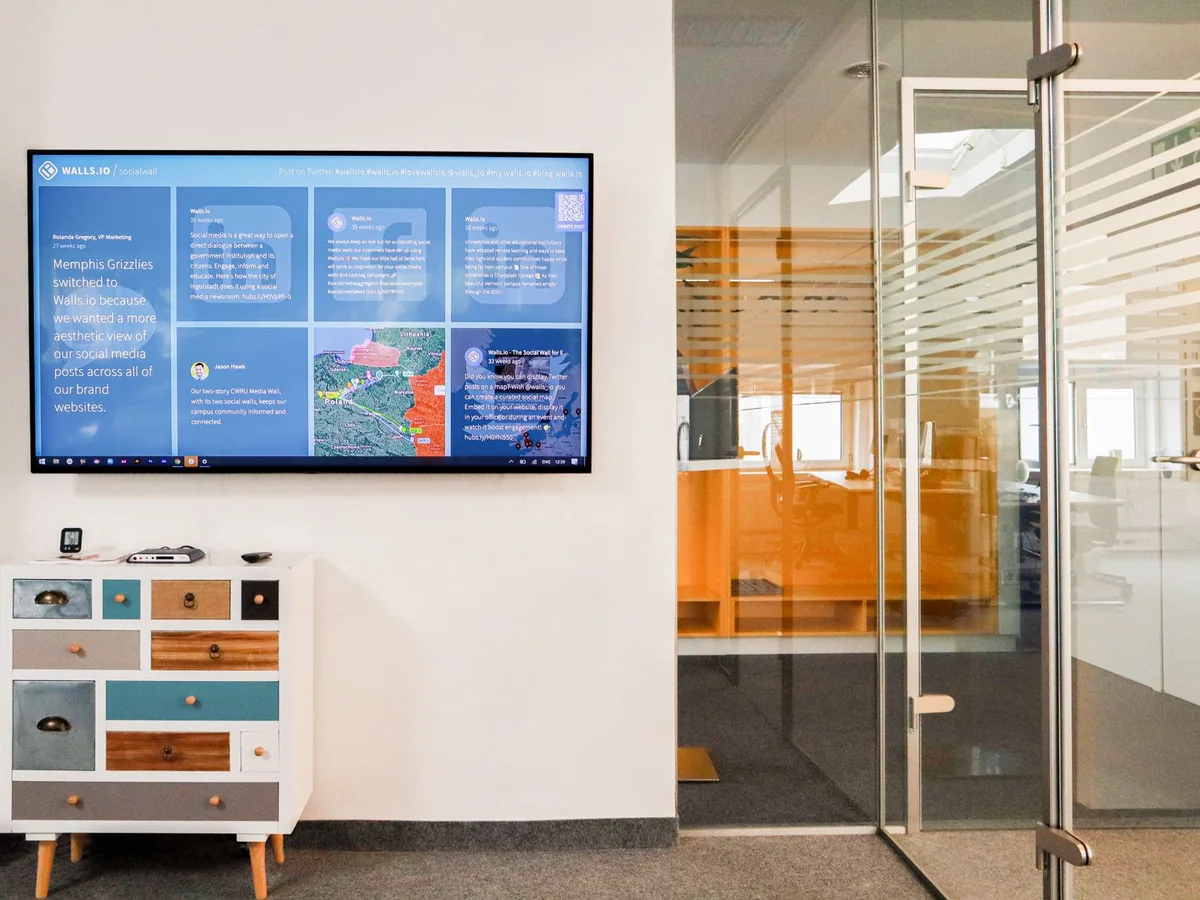
Turn a hallway, landing, or alcove into a workable office with a shallow desk, task lighting, cable control, and flexible seating. This guide is written for remote workers furnishing a hallway, landing, alcove, or narrow spare wall. The goal is simple: make create a functional office that does not block the route through the home easier to judge before you bring another item into the room.
Narrow Desks for Hallway Offices: Quick answer
Measure the clear walking path first, then choose the shallowest desk that can hold a laptop or monitor. A wall-mounted or console-style desk saves leg space, while a folding shelf can close when the hall is busy. Keep cables and a chair tucked inside the desk footprint. Lighting should be fixed to the desk rather than relying on a dark hallway ceiling fixture.
Measure the Path First
Mark the route people use through the hall and leave a comfortable passing width. A desk can occupy only the space that remains outside that path. Measure the wall length, outlet location, door swings, and any heating or ventilation grilles. If the hall is a primary route, consider a fold-down desk or a console that keeps the chair out of the way. The desk should not make someone turn sideways while carrying laundry or groceries.
Choose a Shallow Work Surface
Measure the depth of the largest item that must sit on the desk. A laptop may need only a narrow surface, while a monitor and keyboard need more. A shelf or tabletop should support the device without extending into the walkway. Legroom matters too; a shallow desk can be uncomfortable if the frame or wall blocks knees. A bracket-mounted surface may save leg space but must be installed into suitable structure. Do not exceed the manufacturer's load limit.
Plan Seating That Tucks Away
A chair left in a hallway becomes an obstacle. Choose a stool or chair that fits completely under the desk when not in use. Check the seat height against the desk and the back height against any shelf above. An armless chair is easier to tuck, but it may offer less support for long sessions. If the hallway is a thoroughfare, keep a folding chair nearby and store it after work. A standing desk may be better when the user alternates positions and no chair can stay out.

Control Cables and Power
Place the desk near an outlet, but do not run a cord across the walking path. Use a short cable raceway or a clip under the desktop. A power strip can be mounted under the desk if it is accessible and not exposed to moisture or impact. Leave slack for a laptop charger and monitor. Label chargers you use often. When work ends, unplug items that do not need standby power and tuck the remaining cables behind the desk edge.
Light the Face and the Task
Hallways often have ceiling lights placed for circulation rather than focus. Add a small lamp that illuminates the keyboard and a second light for the face during video calls. Avoid placing a bright lamp behind you, which can silhouette the face. A neutral, adjustable light can work for documents and screens. If the hallway has no outlet, use a rechargeable lamp and keep charging as part of the reset. Do not rely on the screen as the only light source.
Create a Start and Stop Ritual
Because a hallway office is always visible, the end of work should be obvious. Close the laptop, put the chair away, return papers to a single tray, and turn off the lamp. Keep personal items in a small drawer or lidded bin so the hallway can return to circulation. Take a photo of the setup that works and use it as a reference. A short shutdown routine protects both the workspace and the rest of the home.
Compare the right category
Narrow Desks for Hallway Offices: What we would shortlist
These are product categories to compare, not claims about a specific model. Check dimensions, material care, return terms, and the latest retailer information before ordering.
Start here
wall-mounted floating desk
- Best for
- very narrow halls with secure studs
- Look for
- load rating, depth, rounded edges, and a hidden cable route
- Tradeoff
- installation is permanent and may not suit a rental
Best for a tighter footprint
fold-down console desk
- Best for
- shared hallways and small apartments
- Look for
- locking supports, shallow open depth, and a surface that clears the path when closed
- Tradeoff
- daily folding can become tiring
Worth comparing for value
armless task stool
- Best for
- desks that need a tucked chair
- Look for
- seat height, back support, footrest, and a footprint that fits fully under the desk
- Tradeoff
- armless seating may not support long sessions
Narrow Desks for Hallway Offices: Questions to ask before you buy
Can a hallway be a permanent home office?
It can when the desk is shallow, the chair tucks away, and the main path remains usable. Noise, privacy, and lighting may be more limiting than the desk itself. If calls are frequent, check how sound travels through the hall and whether the background is appropriate. A folding desk can make the office temporary without removing the work surface.
How deep should a hallway desk be?
The depth depends on the device and the remaining walking path. Measure the route first, then choose the shallowest surface that supports the laptop, monitor, and hands. A monitor arm can reduce the required depth, but the wall and desk must support it. Never reduce the path below a comfortable passing width.
What should I do if the hallway has no nearby outlet?
Choose a rechargeable lamp and charge devices before the work session, or use a safe, properly rated extension cord routed along the wall and out of the path. Do not run a cord under a rug or across a doorway. If power cannot be routed safely, consider another location for the computer and use the hallway desk for writing or tablet work.
A final practical check
Narrow Desks for Hallway Offices: Before this purchase comes home
Recheck the exact dimensions in the room, the return window, and the cleaning method for the material you selected. Confirm that the new item supports create a functional office that does not block the route through the home for remote workers furnishing a hallway, landing, alcove, or narrow spare wall, rather than solving only the photograph on the retailer page. Keep the packaging until the product has been used in its intended place, and save the order details in case a replacement part or measurement confirmation is needed later.
If two options still seem close, choose the one with the simpler care routine, clearer replacement parts, and a size that leaves a comfortable route through the room. A thoughtful purchase should make the everyday version of the room easier, not just the first day after delivery. Revisit this guide after living with the item for a week and adjust the layout, storage, or routine before buying another piece.
 Desk Lamps with Low Glare for Evening Work
 Footrests for High Desks and Small Frames
 Small-Room Acoustic Panels for Video Calls