
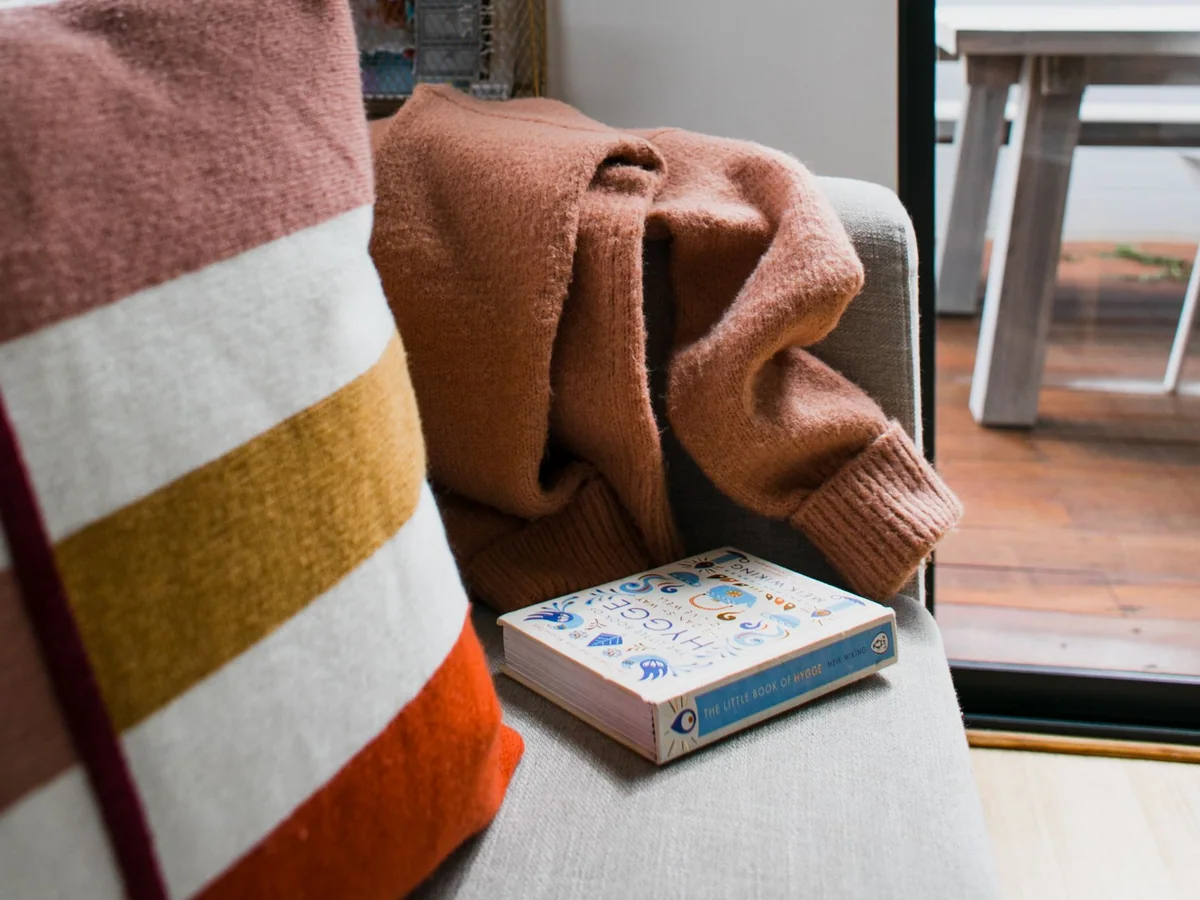
Make a rental living room feel warmer and more personal with removable layers that protect the view and keep daylight. This guide is written for renters who want a warmer living room without permanent alterations or heavy furniture. The goal is simple: make add softness, color, and evening light while preserving daylight and lease requirements easier to judge before you bring another item into the room.
Layer Warmth in a Rented Living Room Without Losing Daylight: Quick answer
Begin with a washable area rug, floor-length curtains hung from a tension or adhesive-friendly rod, two cordless lamps, and one generous throw. Choose light or medium tones near the window, then add deeper color lower in the room. This keeps the rental surfaces visible while softening sound, hard flooring, and the temporary feel that bare walls create.
Start With the Floor and the Window
A rug is often the fastest way to make a rental feel anchored because it adds color, absorbs sound, and separates the seating area from the room's hard surfaces. Measure the zone you want to define rather than ordering by room size alone. In a small living room, a rug large enough to sit under the front legs of the main seating usually looks more intentional than a tiny mat floating in the center. For the window, look for removable rods, adhesive brackets, or tension hardware that suits the wall and curtain weight. Select a light-filtering layer for daytime and a separate privacy layer only when the lease and window depth allow it. Confirm that any adhesive can be removed without damaging the surface.
Build Light in Three Heights
Rentals frequently have one bright ceiling fixture and very little light at eye level. A warmer room usually combines overhead illumination for tasks, a table lamp for conversation, and a small floor or wall-adjacent light near a dark corner. Battery-operated lamps can work where outlets are scarce, but check whether the battery is rechargeable or disposable and how long the manufacturer says it lasts per charge. Place a lamp beside seating rather than behind it so the shade does not block the light. Use bulbs with a warm color temperature for evening and reserve brighter neutral light for reading or cleaning. The goal is control, not a room filled with lamps that all switch on at once.
Choose a Palette That Protects the View
A rental can feel temporary when every personal layer competes with the architecture, but it can also feel cold when everything is white. Choose one quiet base color, then repeat it in the rug, curtain, throw, and cushions at different scales. Keep the darkest color below seat height so the upper room remains open to the window. If the walls cannot change, use framed art or a leaning textile to introduce contrast without paint. A slim console or low shelf can hold books and a lamp without blocking traffic. Before buying, photograph the room in daylight and at night; colors that feel balanced in the afternoon may turn gray or yellow under the existing fixtures.

Use Furniture That Can Move
Renters should favor pieces that fit more than one future room or can be sold easily when the lease ends. A sofa with removable legs, a nesting side table, and a lightweight accent chair are easier to move through tight halls than oversized sectionals. If the room already includes bulky furniture, add a slim console behind the sofa only when there is enough walking space. Measure the distance from the sofa to the doorway, television, and heating vent before adding anything behind it. Keep one clear path through the room, preferably at least the width your household uses comfortably when carrying laundry or groceries. Movable furniture does not have to look temporary; it simply gives the next home a better chance to work.
Control Sound and Visual Noise
Warmth is not only a color choice. Hard floors, bare windows, and a large empty wall can make a rental echo and feel unfinished. A medium-pile rug, curtains that reach near the floor, upholstered seating, and a few closed storage baskets can reduce both visual and acoustic clutter. Avoid covering every surface. Leave one area simple so the eye has a place to rest. When wall damage is a concern, use a leaning mirror, a bookcase, or art suspended from a picture rail instead of drilling. Check lease terms before using adhesive strips on painted or textured walls, and test a small hidden area first. A calm room supports the furnishings rather than making each object compete for attention.
Create a Checkout Plan Before You Order
Make a list of the permanent features that cannot move: doors, windows, radiators, vents, outlet locations, and any built-in storage. Then draw a simple plan with furniture sizes and walking paths. Mark the pieces you will remove or adapt if the room feels crowded. Read return windows carefully, especially for rugs and upholstery, because color and scale are difficult to judge from a screen. Keep original packaging until the item has lived in the room for a few days. Before checkout, compare the total cost of the layer rather than the headline item price: hardware, lamp batteries, cleaning, and delivery can change the value. The best rental update is easy to install, easy to reverse, and still useful in the next home.
Compare the right category
Layer Warmth in a Rented Living Room Without Losing Daylight: What we would shortlist
These are product categories to compare, not claims about a specific model. Check dimensions, material care, return terms, and the latest retailer information before ordering.
Start here
washable low-pile area rug
- Best for
- rentals with pets, children, or hard flooring
- Look for
- a size that supports the seating zone, a backing that will not mark the floor, and care instructions you can follow
- Tradeoff
- lighter colors show less pattern than expected but may reveal spills
Best for a tighter footprint
light-filtering curtain panel
- Best for
- windows that need softness without losing daytime light
- Look for
- the exact rod pocket or ring type, a fabric weight suited to removable hardware, and a length that clears the floor
- Tradeoff
- sheer panels offer little privacy at night
Worth comparing for value
rechargeable table lamp
- Best for
- rooms with limited outlets or no permanent wiring changes
- Look for
- a stable base, warm bulb option, accessible charging port, and controls that are easy to reach
- Tradeoff
- battery life may shorten as the battery ages
Layer Warmth in a Rented Living Room Without Losing Daylight: Questions to ask before you buy
Should I buy curtains before measuring the rod hardware?
Measure the window and the available wall depth first. Decide whether the rod will sit inside the frame or extend beyond it, then compare bracket weight limits and the curtain's stated panel width. Buying the panels first can leave you with a stack that is too heavy for removable hardware or too narrow to close with a soft overlap.
Can a rug make a small rental living room look bigger?
A rug can make the room feel more arranged when it connects the furniture, but it will not erase a tight floor plan. Leave a visible border of floor around the rug when possible, avoid a rug so small that only the coffee table sits on it, and keep the walkway clear. In a very small room, a lower-contrast rug can reduce visual choppiness.
What should I check before using adhesive curtain brackets?
Check the lease, wall finish, bracket weight rating, and the manufacturer's removal instructions. Test a hidden area first if the wall is painted, textured, or freshly finished. Heavy curtains can pull adhesive from a warm wall, so use the lightest layer that meets the privacy goal and consider a tension or freestanding option when the window allows.
A final practical check
Layer Warmth in a Rented Living Room Without Losing Daylight: Before this purchase comes home
Recheck the exact dimensions in the room, the return window, and the cleaning method for the material you selected. Confirm that the new item supports add softness, color, and evening light while preserving daylight and lease requirements for renters who want a warmer living room without permanent alterations or heavy furniture, rather than solving only the photograph on the retailer page. Keep the packaging until the product has been used in its intended place, and save the order details in case a replacement part or measurement confirmation is needed later.
If two options still seem close, choose the one with the simpler care routine, clearer replacement parts, and a size that leaves a comfortable route through the room. A thoughtful purchase should make the everyday version of the room easier, not just the first day after delivery. Revisit this guide after living with the item for a week and adjust the layout, storage, or routine before buying another piece.
 Sectional or Two Loveseats for Family Movie Nights?
 How to Choose a Pet-Resistant Area Rug for Busy Homes
 What to Look for in a Down-Blend Sofa for Everyday Lounging