

Plan narrow entry storage with hooks, a slim bench, shoe control, and a landing spot for keys and deliveries. This guide is written for renters and homeowners with a narrow entry, hallway, or apartment landing. The goal is simple: make create a functional drop zone within a wall width of about 30 inches or less easier to judge before you bring another item into the room.
Compact Entry Storage Under 30 Inches Wide: Quick answer
Measure the wall width and the door swing, then choose a piece no wider than the usable wall. A slim bench with shoe storage below and hooks above handles most daily needs. If the wall is very narrow, use a vertical organizer instead of a horizontal bench. Keep the floor clear enough to open the door and never block the smoke alarm or electrical panel.
Measure the Door and the Wall
Close the door and mark the full swing radius on the floor. Measure the wall section that remains clear, including trim, outlets, and light switches. A storage piece may fit the wall but still block the door handle or feel cramped when the door opens. Allow space for a person to stand while putting on shoes. If the entry is a shared hallway, follow building rules and avoid narrowing an exit route. The clear path is the first constraint.
Choose Between Bench and Vertical Storage
A bench gives a place to sit and can store shoes below, but it may project too far into the hall. A vertical rack or narrow cabinet uses wall height and leaves more floor visible. Hooks can hold bags, coats, and leashes, but only when each item has a limit. Combine a shallow bench with a high shelf or rail rather than a deep closed cabinet. For a renter, a freestanding slim unit may be easier to remove than a wall-mounted one.
Control Shoes First
Shoes are usually the largest source of entry clutter. Limit the floor collection to the pairs used this week and move seasonal shoes to a closet. A boot tray protects the floor, while a low rack keeps wet shoes separated. A covered bin can hide items that are not needed daily. If the entry has no room for shoe storage, use a bedroom closet or a rolling cart that moves out of sight. Do not let one narrow shelf become a pile of unmatched shoes.

Create a Landing Spot for Small Items
Keys, mail, and a leash need one obvious place. Add a small bowl or hook near the door, and place a shallow tray on the top of the storage unit. Do not use a deep drawer for daily items if it requires stepping into the hall. If the entry has no surface, a magnetic key holder or a wall hook may work, provided it is secure. Empty the mail tray every day so paper does not become the new clutter.
Use Height Without Visual Weight
A narrow entry can hold a tall shelf if the items are visually light. Use open baskets for soft items and closed boxes for small objects. Keep the top shelf below the ceiling so the room still feels open. Avoid a dark, heavy piece on both sides of the door. A mirror can add light and reflect the opposite wall, but it should not be placed where it can be struck by the door. Repeat one material or finish from the nearby room.
Reset the Entry Daily
The most effective entry system is one that resets quickly. Hang bags immediately, put shoes on the rack, sort mail into recycle or action, and return items that belong upstairs. Keep a small cleaning cloth or handheld vacuum nearby if the entry collects dust. At the end of each week, remove anything that has not moved. A 30-inch drop zone works when it has limits and a simple routine.
Compare the right category
Compact Entry Storage Under 30 Inches Wide: What we would shortlist
These are product categories to compare, not claims about a specific model. Check dimensions, material care, return terms, and the latest retailer information before ordering.
Start here
slim shoe bench
- Best for
- narrow halls with a small sitting need
- Look for
- a depth that clears the door swing, a weight rating, and a lower shelf that fits shoes
- Tradeoff
- bench seating can block a tight path
Best for a tighter footprint
narrow wall-mounted organizer
- Best for
- very small entries with usable wall space
- Look for
- secure mounting, adjustable hooks, and a shallow profile
- Tradeoff
- installation may be difficult in a rental
Worth comparing for value
boot tray with raised edge
- Best for
- wet or snowy climates
- Look for
- a lip, easy-to-clean material, and a footprint that stays within the drop zone
- Tradeoff
- trays can collect water and need regular emptying
Compact Entry Storage Under 30 Inches Wide: Questions to ask before you buy
How narrow can an entry storage unit be?
Narrow storage can be only a few inches deep when it uses hooks or wall-mounted shelves. The right depth depends on the door swing and the width of the passage. Measure the clear floor and keep the main route open. If the entry is less than 30 inches wide, prioritize hooks and a shallow shelf over a full bench.
Should I put a bench in front of a door?
Only when the door can open fully and there is room to move around it. A bench in the door swing is a safety and access problem, even if it looks compact. Mark the swing radius on the floor and test with the largest person and bag that use the entry. A bench elsewhere in the hallway may be safer.
How do I keep a small entry from smelling like shoes?
Let wet shoes dry away from heat, use a boot tray, and wash removable liners or mats regularly. Avoid sealing damp shoes in a closed cabinet. A small open rack or airflow-friendly bin is often better than a deep covered box. If odor persists, replace worn insoles and clean the floor beneath the storage.
A final practical check
Compact Entry Storage Under 30 Inches Wide: Before this purchase comes home
Recheck the exact dimensions in the room, the return window, and the cleaning method for the material you selected. Confirm that the new item supports create a functional drop zone within a wall width of about 30 inches or less for renters and homeowners with a narrow entry, hallway, or apartment landing, rather than solving only the photograph on the retailer page. Keep the packaging until the product has been used in its intended place, and save the order details in case a replacement part or measurement confirmation is needed later.
If two options still seem close, choose the one with the simpler care routine, clearer replacement parts, and a size that leaves a comfortable route through the room. A thoughtful purchase should make the everyday version of the room easier, not just the first day after delivery. Revisit this guide after living with the item for a week and adjust the layout, storage, or routine before buying another piece.
 Furniture That Makes a Studio Feel Like Two Rooms
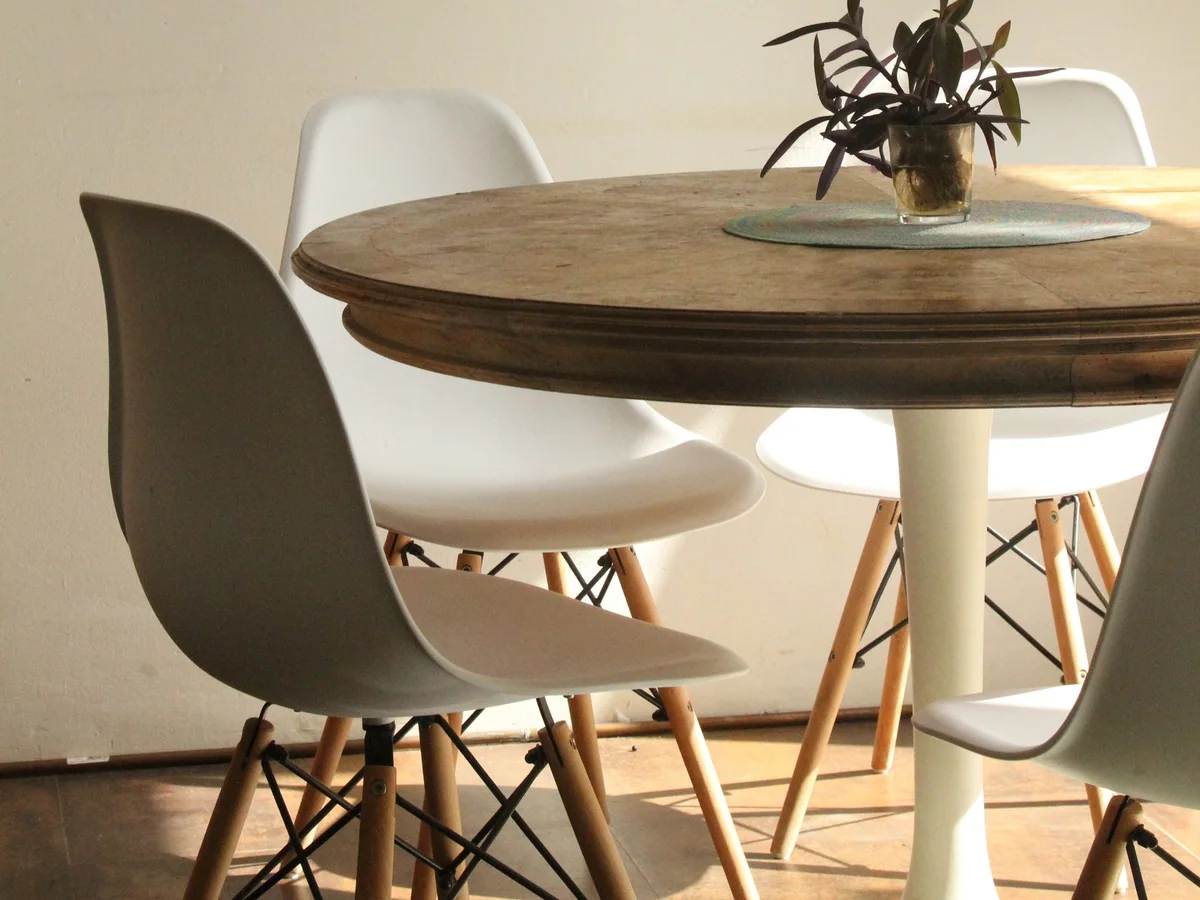 Foldaway Dining Sets for One-Bedroom Apartments
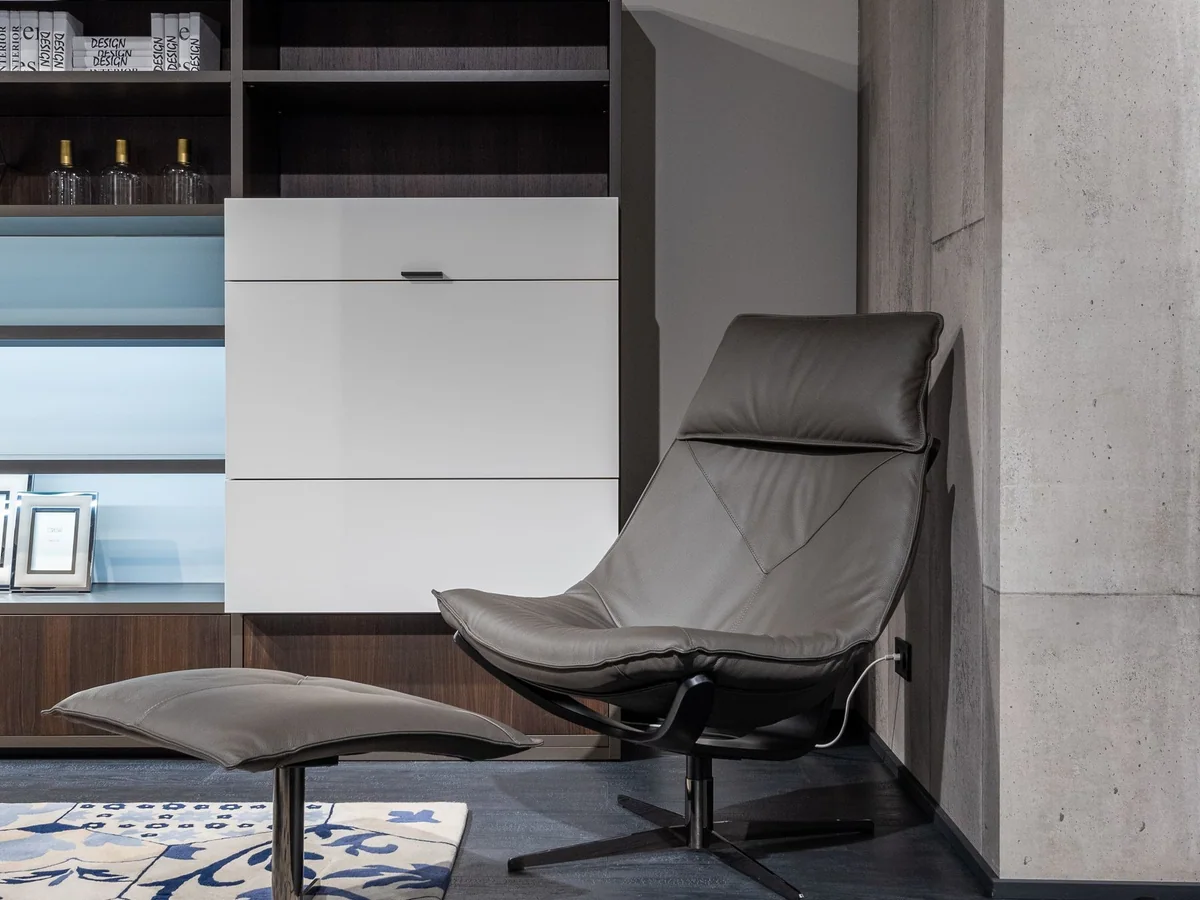 Storage Ottomans for Blankets, Games, and Extra Seating